Our fence installation process
A good fence, gate, or access-control project starts well before installation day. The property needs to be reviewed, the scope needs to be clear, and site conditions need to be considered.
The steps are not identical every time
Modern Fence Company has served Western Arkansas and Eastern Oklahoma since 1950. Over that time our services have expanded from traditional fencing to residential and commercial fencing, custom gates, automatic gates, access control, repairs, maintenance, and metal fabrication.
A backyard privacy fence moves through the process differently from an industrial fence with several vehicle gates. A custom fabricated entrance requires different preparation from a straightforward chain link installation.
The goal stays the same: establish the project clearly before installation, and keep the customer informed as the work moves forward.
Ready to start discussing your property? Request an estimate and tell us what you are planning.
Tell us about the project, then we look at the property
1. Tell us about your project
You may already know exactly what type of fence or gate you want. Or you may simply know the problem you are trying to solve. Either starting point is fine.
- You want more backyard privacy
- An existing fence needs replacement
- A gate no longer works properly
- You need fencing around a commercial property
- A rural property needs a larger entrance
- You want an automatic driveway gate
- A commercial entrance needs access control
- You need a railing or another fabricated metal component
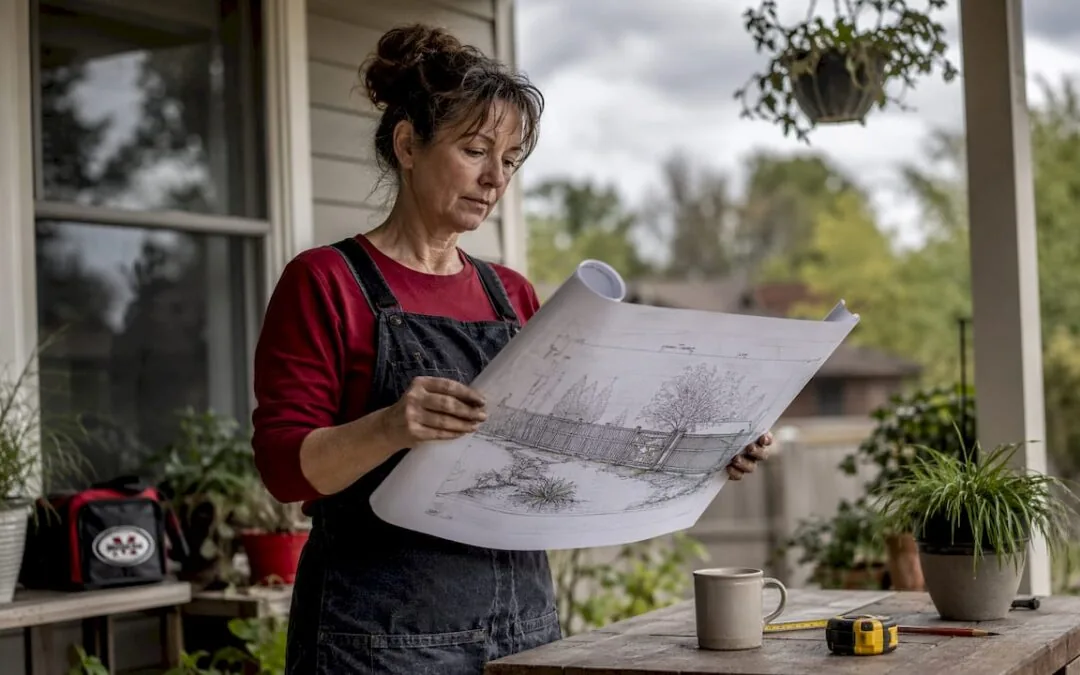
Helpful initial information includes the property location, type of project, photographs, approximate dimensions, existing fence or gate conditions, and any drawings you already have.
2. Review the property and scope
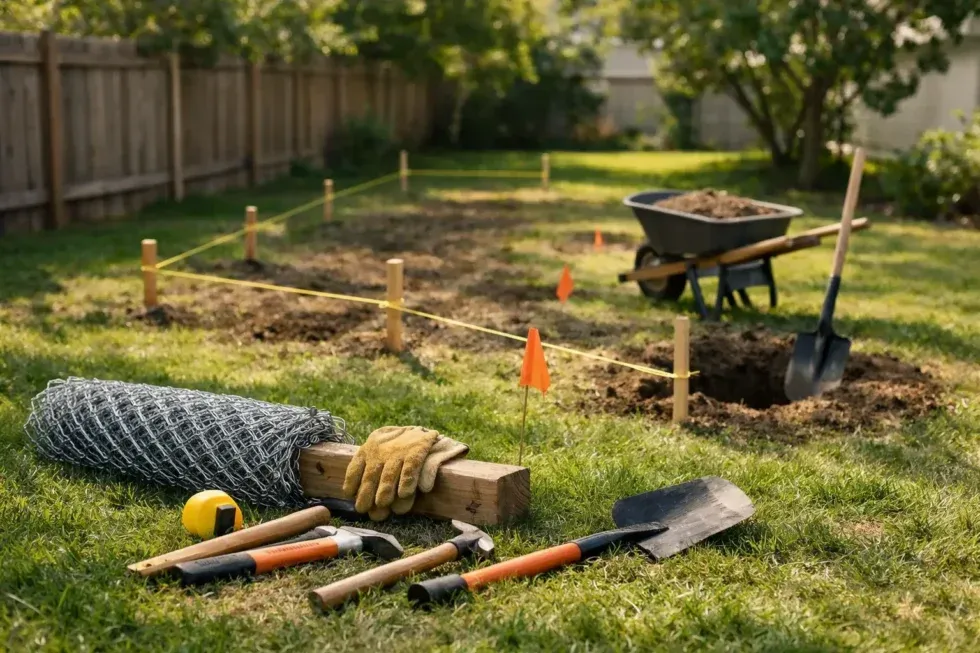
Before a fence or gate can be planned correctly, we need to understand the site. Depending on the work, we may look at:
- Proposed fence lines
- Existing fencing
- Gate locations
- Driveways
- Walkways
- Grade changes
- Drainage
- Landscaping
- Existing masonry
- Nearby structures
- Equipment access
- Commercial traffic patterns
- Existing gate or access-control equipment
Not every item applies to every project. A residential fencing project is mostly about backyard layout, privacy, gates, and landscaping; a commercial fencing project needs more attention to vehicle movement, delivery areas, employee access, plans, and coordination with other contractors.
Define what we are building
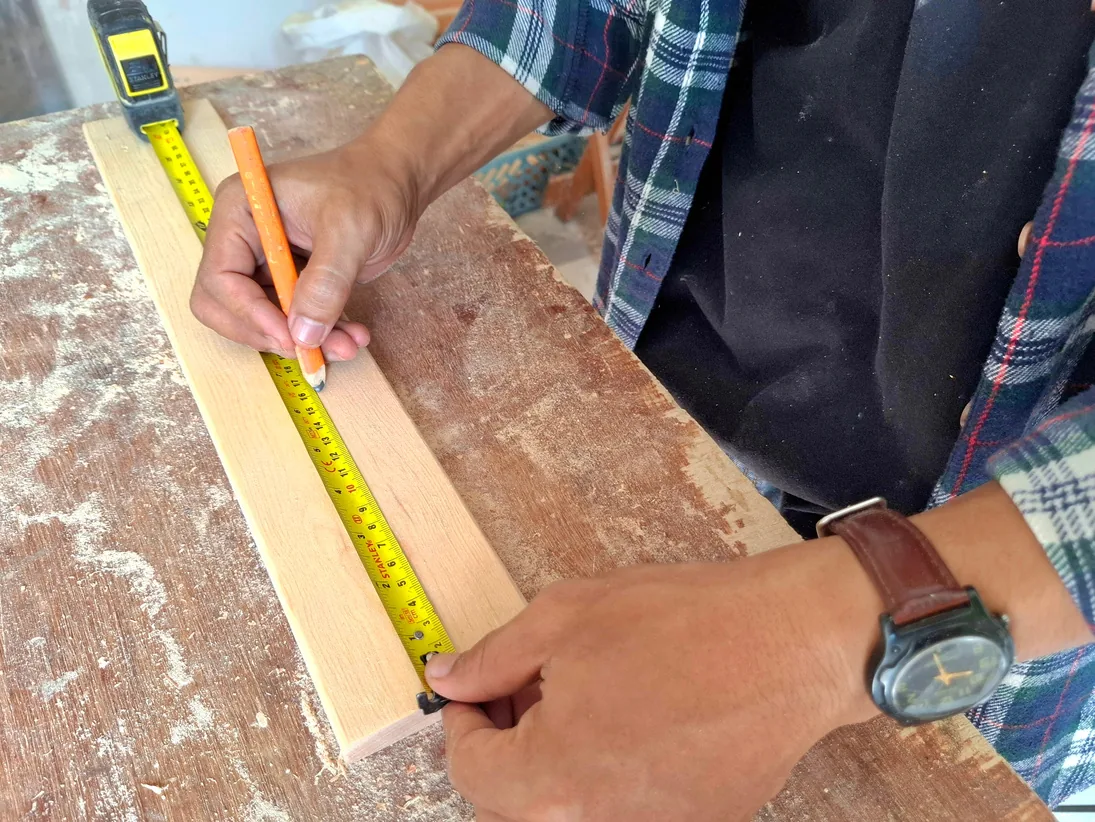
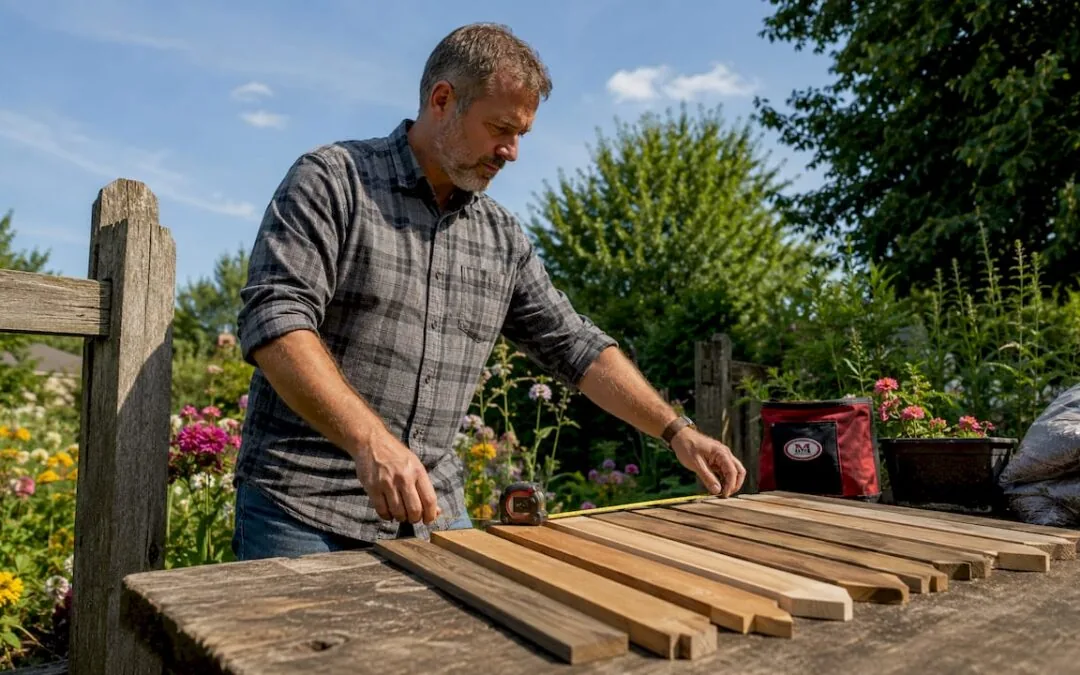
Once we understand the project, the scope needs to be defined. The goal is to make sure everyone is discussing the same project.
- Fence type
- General layout
- Material
- Fence height
- Gate locations
- Gate configuration
- Custom fabrication
- Automatic operation
- Access-control equipment
- Repair versus replacement
- Other included work
For a residential fence this is relatively straightforward. For a commercial property the scope may include several fence sections, multiple gates, different materials, or work performed in phases. A custom gate or fabricated metal project may require additional dimensions or design information before fabrication can begin.
Site conditions we look for
Properties throughout Western Arkansas and Eastern Oklahoma present very different installation conditions. Site conditions do not always change the project, but they should not be ignored.
Changing grade
A fence can often follow sloping ground, but grade becomes especially important around gates, because the gate has to move through the opening.
Rock
Mountain rock occurs in parts of our service area and can affect excavation and installation.
Expansive clay
Soil movement may affect posts, gates, and surrounding improvements over time.
Drainage
Fence lines sometimes cross low areas or existing drainage paths. Those conditions should be understood before installation.
Existing improvements
Concrete, masonry, retaining features, landscaping, buildings, and previous fencing may all affect the new project.
Confirm project requirements
Some properties or projects involve requirements beyond the fence itself.
- HOA approval
- Municipal permits
- Property-management approval
- Construction specifications
- Architectural requirements
- Other project-specific approvals
Customers should identify restrictions that apply to their property before work begins. For commercial and construction projects, plans and specifications may define much of the work — where project documents apply, we review the information relevant to our scope.
Utilities and private underground features
Before digging, underground utilities need appropriate consideration. Public utility-locate procedures may be part of the preparation, depending on the work being performed. Property owners should also tell us about private underground features they know about.
- Irrigation lines
- Private electrical lines
- Plumbing
- Landscape lighting
- Private utility runs
- Other underground improvements
Private systems are not always identified through standard public utility-locate services. If you know something is buried near the proposed fence line, tell us before installation begins.
Finalize the estimate and the scope
The estimate should identify the work Modern Fence is being asked to perform. For larger projects that may include several related components.
Fence installation + custom gate + automatic operation + access control. Or: commercial perimeter fencing + multiple vehicle gates + pedestrian gates.
A residential project may simply involve a new privacy fence and two gates. Clear scope establishes what is and is not part of the project before work begins — review the documents and ask questions before approving the work.
Schedule the project
After the project is approved, it moves into scheduling. Timing can vary based on:
- Current workload
- Project size
- Material availability
- Weather
- Gate fabrication
- Specialty materials
- Access-control equipment
- Other project requirements
We schedule work based on the order projects are ready to proceed, while accounting for the practical requirements of each job. Because workload and complexity change through the year, we avoid promising the same start or completion timeframe for every project — your Modern Fence contact can give current scheduling information for your work.
Custom fabrication, when the project needs it
Some projects need shop work before field installation can be completed. We fabricate qualifying gates in-house and provide broader custom metal fabrication capabilities.
- Custom driveway gates
- Estate gates
- Ranch gates
- Commercial vehicle gates
- Sliding gates
- Cantilever gates
- Handrails
- Balcony rails
- Stair systems
- Architectural metal components
Final dimensions may need to be verified before fabrication begins — particularly when a component must fit existing masonry, stairs, concrete, or another completed structure. For custom gate fabrication, grade and opening dimensions deserve particular attention. The gate needs to fit the actual entrance, not an assumed opening.

Prepare for installation
Before the crew begins, the work area should be reasonably accessible. Depending on the property, homeowners or property managers may need to:
- Provide access to the fence line
- Secure pets
- Move movable items away from the work area
- Identify known private underground lines
- Confirm applicable approvals
- Coordinate with other contractors when necessary
Large commercial projects may require additional site coordination. If construction is still underway, fencing or fabrication may depend on other work reaching the appropriate stage first — final gate dimensions may depend on completed masonry columns or finished driveway conditions.
Installation begins
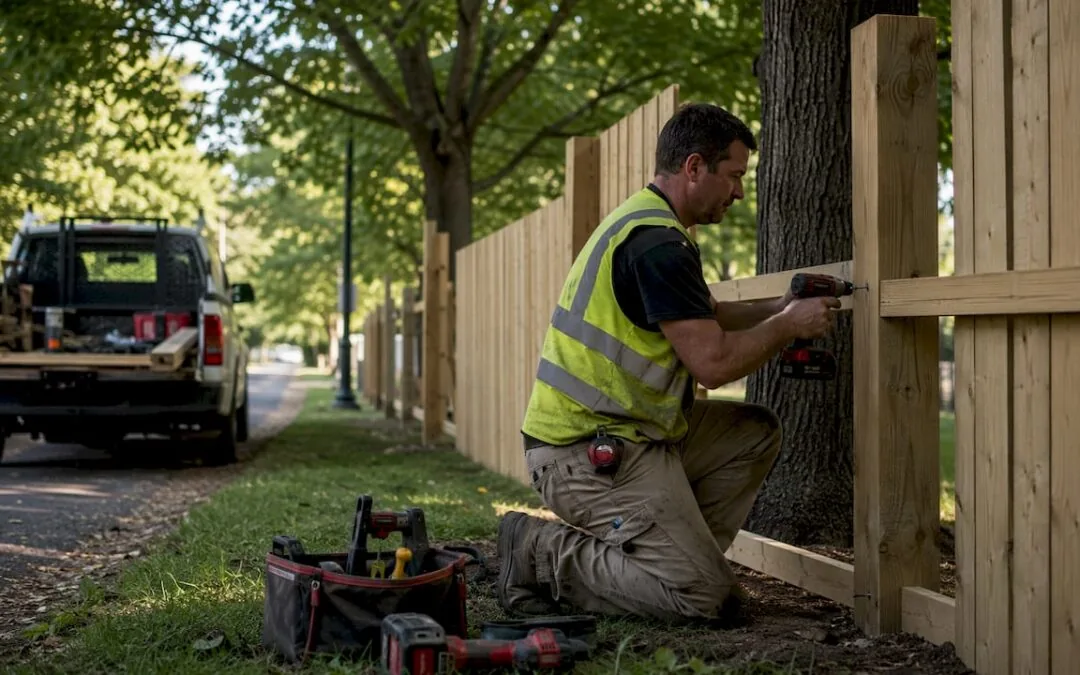
Once the project is ready, our field team begins the approved installation. The exact work depends on the project.
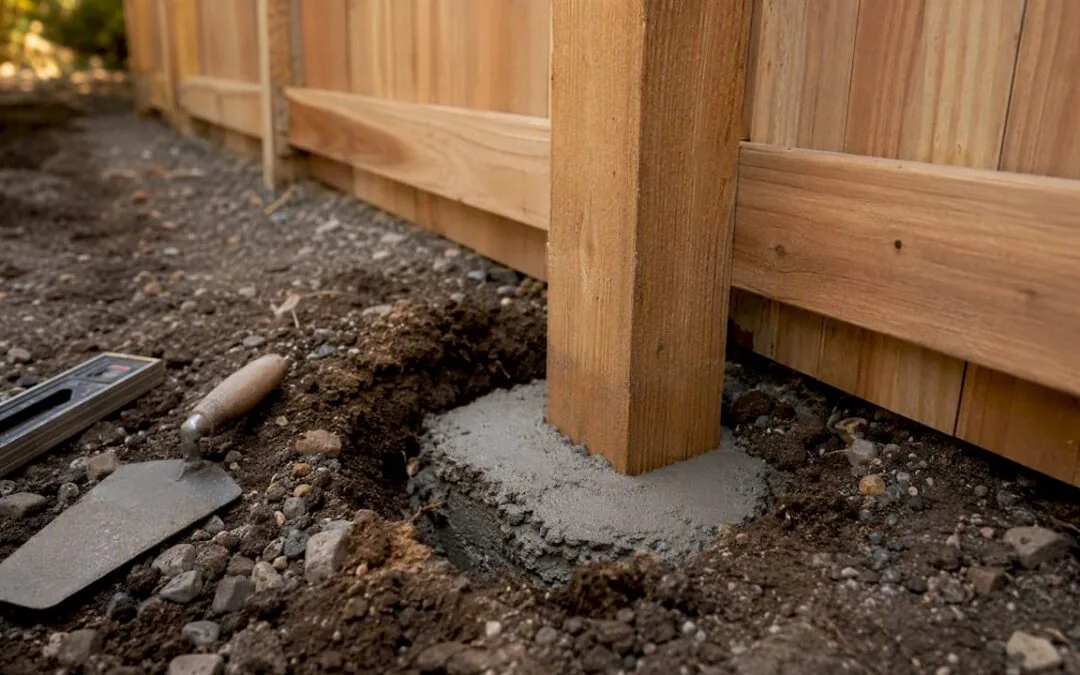
For a fence installation, that may involve establishing the layout, removing qualifying existing material when included, installing posts, assembling the fence, and installing gates. A commercial project may involve multiple areas or phases. A gate project may require coordination between field installation and components prepared in the fabrication shop.
Our field leadership oversees the work being performed on site, completing the approved scope while accounting for the conditions encountered at the property.
What happens if something changes?
Construction projects occasionally reveal conditions that were not visible beforehand, and a property owner may decide to change part of the project after work has begun.
- Fence layout
- Gate location
- Material
- Additional footage
- Additional gates
- Existing site conditions
- Work requested beyond the original scope
Changes should be discussed and approved before the revised work proceeds rather than handled informally. That avoids confusion about what was originally included and what has changed.
Gate, operator and access control
The gate is the physical moving structure. The operator moves the gate. The access-control equipment provides the method authorized users use to request entry.
Our access control systems may include qualifying gate operators, keypads, card access, RFID, telephone entry, intercom equipment, and related systems. The installation sequence depends on the project — in some cases the physical gate and surrounding fence must be completed before the access-control portion is finalized.
The components should be considered as one entrance system.
Cleanup, review and closing the project
14. Cleanup
Fence installation creates construction debris — removed fence material, packaging, excavated material, and offcuts.
Our goal is to leave the work area lawnmower-ready when the installation scope is complete. Existing landscaping, soil conditions, and weather affect what the site looks like immediately afterward.
15. Review the completed work
- Fence layout
- Gates
- Installed components
- Areas included in the project
- Items that may require customer attention
- Questions about the finished work
For larger projects, completion may involve a general contractor, property manager, or other project representative. Our salesperson remains an important contact if questions arise.
16. Documentation and payment
Once the agreed scope is complete, final project documentation and payment are handled according to the terms established for that project.
Refer to your proposal, contract, invoice, or other project documents for applicable payment terms. Commercial and construction projects may have different documentation requirements from residential work.
Some projects end at the fence. Others keep needing us
Modern Fence accepts qualifying repair calls and provides ongoing maintenance and maintenance-agreement options for applicable systems.
Automatic gates and access-control equipment are particularly likely to require service during their operating life, because they contain moving and electronic components. Commercial properties with frequently used entrances also benefit from planned maintenance.
If something changes or needs attention after completion, contact us and describe what you are seeing.
The details change. The need for planning does not
A backyard privacy fence
Layout, material, gates, grade, and existing landscaping are the main considerations.
A rural fence
Long fence runs, terrain, equipment access, and larger gates drive the work.
A commercial fence
Plans, specifications, vehicle access, multiple gates, and coordination with other contractors.
An automatic entrance
Gate fabrication, operator selection, access control, and site conditions all have to work together.
Architectural metalwork
Measurements, material selection, existing construction, and fabrication drive the process.
Point at a project you like
Project photographs are especially helpful while you are still deciding. Reference a project you like when discussing your own property, and we can determine how that idea may need to be adapted for your site.
Do you visit the property before installing a fence?
For projects that require a site evaluation or field measurements, the property is reviewed before the applicable work is finalized. The exact estimating process depends on the type and scope of the project.
How long does it take to get a fence installed?
Scheduling varies with workload, project size, materials, weather, fabrication requirements, and other factors. We provide project-specific scheduling information rather than promising one timeframe for every installation.
Do utilities need to be marked before fence installation?
Underground utilities need appropriate consideration before digging. Customers should also identify known private irrigation, electrical, plumbing, or other underground features that may not be included in public utility locating.
What if my yard is sloped?
Changing grade can usually be addressed during fence planning. Gates require additional attention because they need adequate clearance to move through the opening.
Can I make changes after I approve the project?
Changes may be possible depending on when they are requested and how they affect the project. Changes to the approved scope should be discussed and approved before the revised work proceeds.
Do you fabricate custom gates before installation?
Qualifying custom gates are fabricated through our in-house capabilities. Final measurements may need to be confirmed before fabrication depending on the entrance and surrounding construction.
Who do I contact if I have a question during the project?
Your Modern Fence salesperson generally serves as the primary customer contact, with field leadership managing the installation work on site.
What happens after the project is completed?
The completed scope is reviewed as appropriate, cleanup is performed, and final documentation and payment are handled according to the project terms. Contact us if you have questions or concerns after completion.
It starts with the property and the scope
Whether you need residential fencing, a commercial perimeter, a custom gate, an automatic entrance, access control, repair work, or metal fabrication, the first step is understanding the property and defining what will be built.