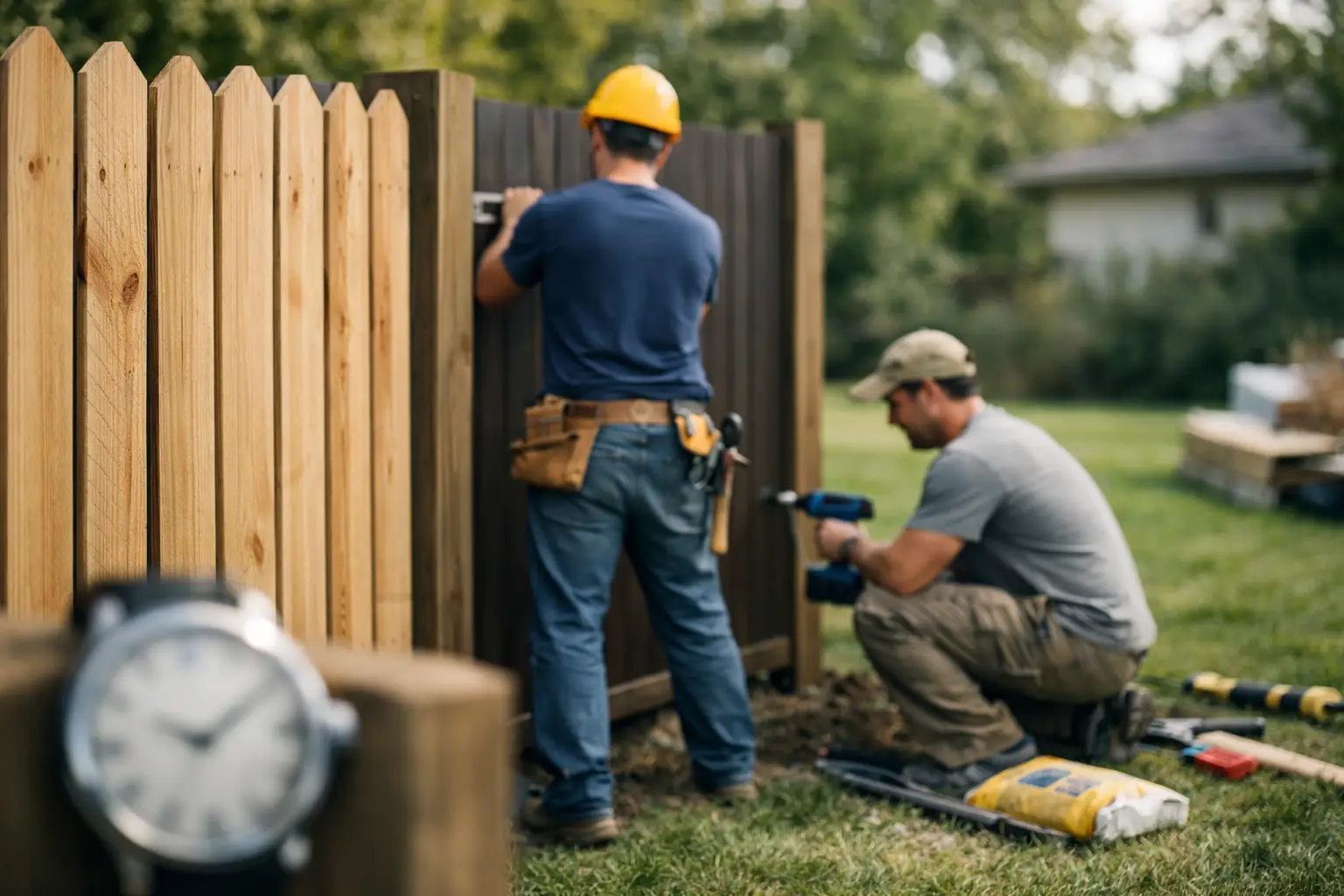
A new fence can change how a property feels almost immediately. It creates privacy for a backyard, defines a boundary, protects equipment, or gives a business a more controlled perimeter. But before choosing a material or fence style, most property owners want a clear answer to one question: how long does fence installation take?
For many residential projects, the on-site installation itself takes one to three days. Larger properties, commercial sites, complicated terrain, custom gates, and permit requirements can extend the overall schedule to a week or more. The key is separating the time a crew spends building the fence from the full project timeline, which also includes planning, material ordering, utility locating, and weather delays.
How Long Does Fence Installation Take From Start to Finish?
A straightforward backyard fence may be installed quickly once materials are on site and the layout is approved. A typical 150- to 200-linear-foot wood, vinyl, or chain link fence often takes a professional crew one to three working days to complete. Smaller repairs or short fence runs can sometimes be finished in a day.
That does not mean the project begins the day an estimate is accepted. Before installation, the contractor needs to confirm the layout, identify gates, order materials if necessary, schedule the crew, and make sure underground utilities are marked. Depending on the season and material availability, this pre-installation stage may take several days or several weeks.
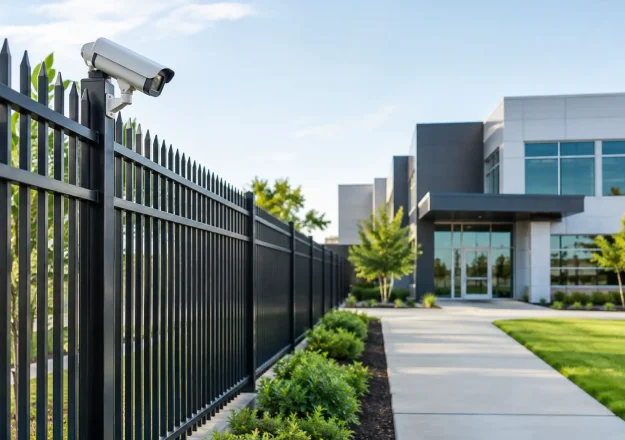
Commercial and specialty projects generally require more time. A security fence around a business, a temporary rental fence for a jobsite, access-control equipment, or custom fabricated metal components may involve coordination with property managers, contractors, electricians, or local authorities. Those details are worthwhile because they help prevent costly changes after work has started.
The Factors That Set Your Fence Installation Timeline
The length of the fence is an obvious factor, but it is not the only one. A 100-foot fence on open, level ground is a very different project than 100 feet running through a wooded slope with multiple gates.
Fence material and design
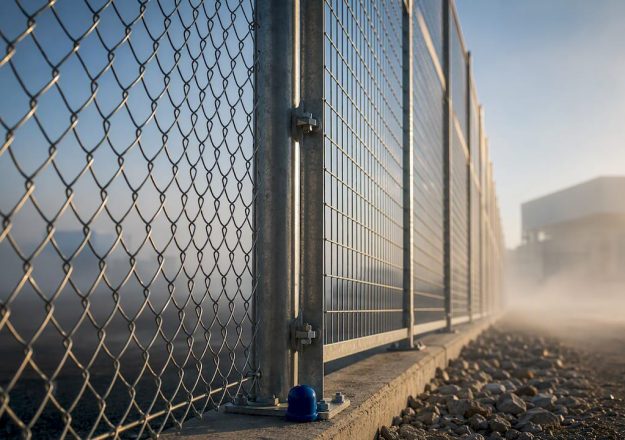
Chain link fencing is often among the faster systems to install because the materials are modular and the process is efficient once posts are set. However, tall commercial chain link fencing, privacy slats, cantilever gates, and security additions can add time.
Wood privacy fencing takes more labor because crews set posts, install rails, and fasten individual pickets or preassembled panels. A custom pattern, cap and trim, horizontal boards, or a stain application will increase the project duration. Wood also benefits from careful layout, especially when the fence follows a slope or needs a polished appearance along a visible property line.
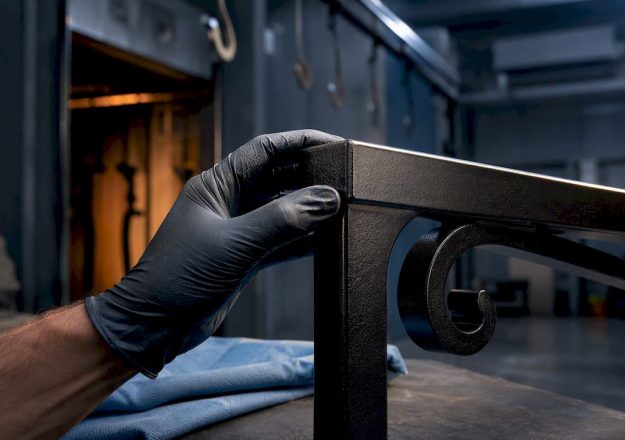
Vinyl fencing has a clean, consistent appearance, but it requires accurate post spacing and level installation. Iron fencing may go up efficiently over level ground, yet custom sections, welded components, masonry columns, and ornamental gates require added planning and precision. The best material is not necessarily the fastest one to install. It should fit the property’s security, maintenance, privacy, and appearance goals.
Ground conditions and terrain
Ground conditions can make a major difference in Western Arkansas and Eastern Oklahoma. Crews may encounter rocky soil, roots, uneven grades, drainage areas, old concrete, or hidden debris along a planned fence line. Each post hole needs to be properly placed and set so the finished fence remains stable and aligned.
Sloped yards also take longer than level sites. Some fences can follow the grade, while others need to be stepped down in sections to maintain a level top rail or panel. Neither approach is automatically better. The right choice depends on the fence style, the amount of elevation change, and the look the property owner wants.
Gates and access points
Gates are where function matters most. A standard walk gate adds modest time, while a double-drive gate, rolling gate, custom steel gate, or access-controlled entry requires more setup and adjustment. Gates must open and latch correctly, maintain proper clearance, and stay square as the fence settles into use.
For commercial properties, access control can extend the schedule because it may require coordination with electrical work, operators, keypads, card readers, safety devices, and site-specific security requirements. This is not work to rush. A gate that looks good but does not operate reliably creates a daily inconvenience and a potential security concern.
Permits, property lines, and utility marking
Some fence projects require permits, while others do not. Requirements vary by city, county, neighborhood, fence height, and project type. Homeowners associations may also have rules about materials, colors, locations, and gate placement. Checking those requirements before installation protects the schedule.
Property lines should be confirmed before post locations are marked. A fence contractor can work from a clearly identified boundary, but a survey may be needed when there is uncertainty or a dispute. Moving a newly installed fence because a boundary was assumed incorrectly is far more disruptive than resolving the question upfront.
Utility locating is another essential step. Underground electric, gas, water, communications, and irrigation lines can affect post placement and digging methods. Markings need time to be completed, so they should be requested early rather than treated as a last-minute task.
What Happens During the Installation Days?
The first day commonly focuses on layout and post installation. The crew marks the fence line, verifies gate locations, digs holes, sets posts, and checks alignment. Concrete-set posts need adequate time to stabilize, particularly for heavier fence systems and gates.
The next phase is installing rails, panels, pickets, fabric, or ornamental sections. Gates are hung, hardware is adjusted, and the crew checks the completed line for consistency. The property is then cleaned of normal installation debris, and the homeowner or site representative can review the finished work.
Weather can change this sequence. Rain may not stop every fencing task, but saturated ground, lightning, high winds, or frozen soil can delay safe, quality work. Concrete also performs best when crews can manage moisture and curing conditions appropriately. A dependable contractor may adjust the schedule rather than force an installation that compromises the result.
Why a Fast Installation Is Not Always the Best Installation
It is reasonable to want a fence installed promptly, especially after moving into a new home, bringing home a dog, securing a jobsite, or replacing storm-damaged fencing. Still, speed should not come at the expense of proper post depth, gate alignment, utility safety, or clear communication.
A quality fence is built to handle everyday use and changing weather over many years. Posts must be set correctly. Materials should be suited to the application. Gate hardware needs to work smoothly. The fence line should look intentional from both inside and outside the property. Those fundamentals matter more than shaving a few hours from the schedule.
Modern Fence Company has served area property owners since 1950, and experience helps crews identify the issues that can affect timing before they become on-site surprises. A detailed estimate and site review give homeowners, businesses, and contractors a more reliable expectation than a generic promise of a quick install.
How to Help Keep Your Fence Project on Schedule
Property owners can make the installation process easier before the crew arrives. Keep the fence line accessible by moving outdoor furniture, equipment, vehicles, toys, and stored materials. Trim back low branches or overgrowth where practical, and let the contractor know about irrigation, private utility lines, pets, locked gates, or other site conditions.
It also helps to make final decisions early. Changing the fence height, material, stain color, gate width, or layout after materials are ordered can affect the schedule and cost. If a neighbor shares the boundary, a conversation before work begins may prevent confusion later.
For businesses and property managers, designate one contact who can answer access questions and approve field decisions. Clear communication is especially valuable on active facilities, construction sites, schools, warehouses, and properties with scheduled deliveries or public traffic.
A fence installation timeline should be realistic, not vague. The right contractor will explain what can be completed in a day, what needs additional preparation, and what conditions could change the schedule. When planning is handled carefully, installation day is less disruptive and the finished fence is ready to deliver the privacy, security, and curb appeal your property needs.